
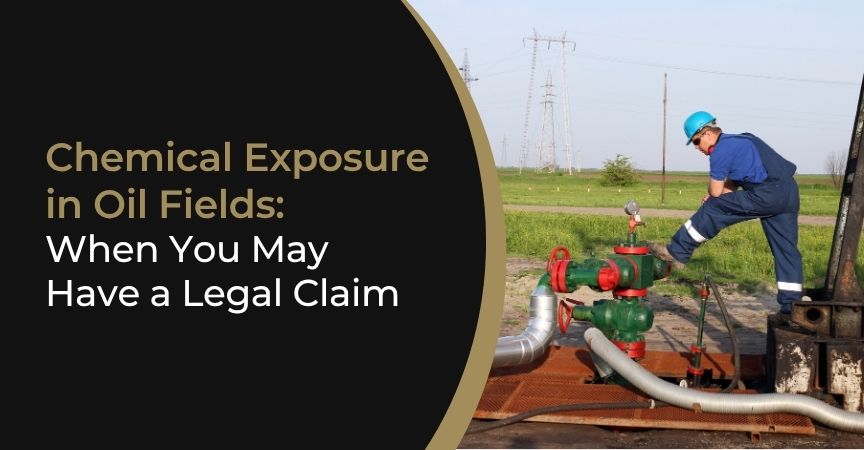
Not every oil field accident is caused by heavy equipment, explosions, or vehicle accidents. Many workers also face daily exposure to hazardous chemicals that can cause serious injuries and long-term health problems. While some chemical exposures result in immediate medical emergencies, others may not become apparent until months or even years later.
Oil and gas operations rely on a variety of chemicals throughout the drilling, extraction, transportation, and maintenance process. Although safety regulations require employers to identify workplace hazards and provide appropriate protective equipment, workers can still be exposed when proper precautions are not taken. When companies fail to provide a safe work environment or adequately protect workers from dangerous substances, they may be held legally responsible for the harm that follows.
Some of the most common hazardous substances found in oil fields include:
- Hydrogen sulfide (H₂S): A highly toxic gas that can be deadly in high concentrations. Even lower levels of exposure may cause headaches, dizziness, eye irritation, nausea, and respiratory problems.
- Drilling fluids and drilling muds: These mixtures often contain chemicals that can irritate the skin, eyes, and respiratory system with repeated exposure.
- Industrial solvents and degreasers: Frequently used to clean equipment, many solvents contain chemicals that may affect the nervous system, liver, kidneys, or lungs.
- Petroleum products and hydrocarbons: Workers may come into direct contact with crude oil, condensates, fuels, and other petroleum-based substances that present both immediate and long-term health risks.
- Other hazardous chemicals: Depending on the worksite, employees may encounter acids, corrosion inhibitors, biocides, or other hazardous materials used during drilling and production.
Without proper ventilation, training, protective equipment, and handling procedures, these substances can create dangerous working conditions.
How Chemical Exposure Can Affect Your Health
The effects of chemical exposure vary depending on the substance involved, the amount of exposure, and how long a worker is exposed.
Some workers experience immediate symptoms, including:
- Chemical burns
- Skin or eye irritation
- Difficulty breathing
- Dizziness or confusion
- Nausea and vomiting
- Loss of consciousness
Other health conditions may develop gradually after repeated or prolonged exposure. Workers may later develop chronic respiratory illnesses, neurological disorders, organ damage, or other serious health conditions requiring ongoing medical care.
Because symptoms do not always appear right away, it is important to seek medical evaluation after any known or suspected chemical exposure. Early diagnosis can improve treatment outcomes while also creating important medical documentation if a legal claim becomes necessary.
When Unsafe Working Conditions May Lead to a Legal Claim
Not every workplace exposure results in a personal injury claim. However, when someone else’s negligence contributes to unsafe conditions, injured workers may have legal options beyond workers’ compensation.
Depending on the circumstances, liability may rest with an employer, a contractor, a subcontractor, a property owner, an equipment manufacturer, or another third party.
Examples of negligence may include:
- Failing to provide required personal protective equipment (PPE)
- Inadequate training on hazardous chemicals
- Poor ventilation in confined work areas
- Failure to monitor hydrogen sulfide or other toxic gas levels
- Improper storage or handling of dangerous chemicals
- Failure to warn workers about known hazards
- Violations of OSHA regulations or other workplace safety standards
- Defective equipment that allows hazardous substances to escape
A thorough investigation can help determine how the exposure occurred and who may be legally responsible.
What Compensation Can You Recover?
If negligence caused your injuries, you may be entitled to pursue compensation through a personal injury claim.
Depending on your situation, damages may include compensation for:
- Medical expenses
- Future medical treatment and rehabilitation
- Lost wages
- Loss of future earning capacity
- Pain and suffering
- Emotional distress
- Permanent disability or impairment
- Other damages allowed under applicable law
Every case is unique, and the value of a claim depends on factors such as the severity of the injury, long-term medical needs, and the impact on the worker’s ability to earn a living.
Protecting Your Rights After a Chemical Exposure
If you believe you’ve been exposed to hazardous chemicals while working in or near an oil field, taking prompt action can help protect both your health and your legal rights.
Whenever possible:
- Seek medical treatment immediately.
- Report the exposure to your supervisor.
- Document where and when the exposure occurred.
- Identify the chemicals involved, if known.
- Take photographs of the work area or unsafe conditions when it is safe to do so.
- Save copies of incident reports, medical records, and any workplace communications related to the exposure.
The sooner evidence is preserved, the easier it may be to determine exactly what happened and identify the parties responsible.
Fitzgerald Law Can Help Injured Oil Field Workers
Chemical exposure cases often involve complex investigations, multiple companies, and serious medical issues that require experienced legal representation. The sooner an attorney can begin investigating your case, the better your chances of preserving critical evidence and identifying every potentially responsible party.
The Fitzgerald Law Firm’s experienced oil field accident lawyers understand the dangers oil field workers face and are committed to helping injured workers and their families pursue the compensation they deserve.
Our firm has achieved some of the most significant results in Wyoming history, including holding the Wyoming Supreme Court record for the largest judgments. That experience reflects our commitment to pursuing maximum compensation for clients who have been seriously injured by another party’s negligence.
If you suffered injuries or developed a serious medical condition after exposure to hazardous chemicals in an oil field, our attorneys can evaluate your case, investigate the circumstances surrounding your exposure, and explain your legal options.
Contact Fitzgerald Law today for a free consultation.